
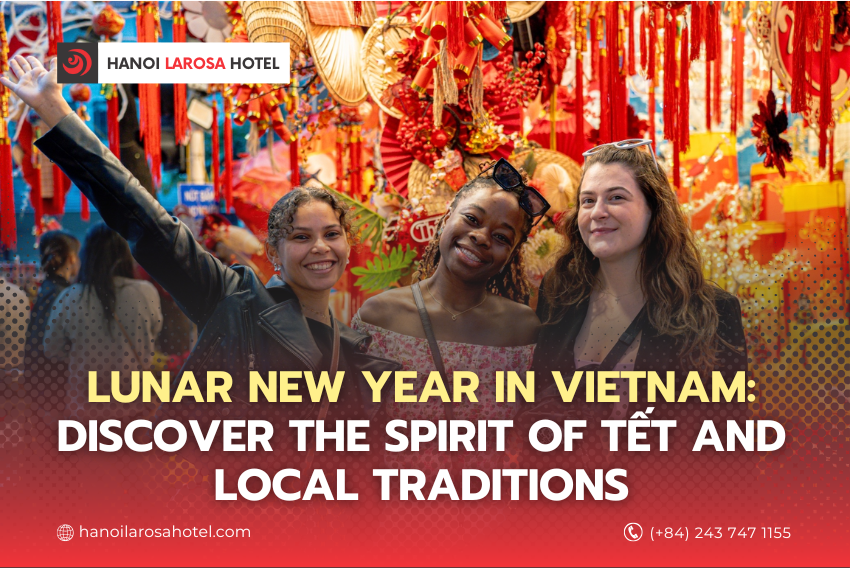
Lunar New Year in Vietnam: Discover the Spirit of Tết and Local Traditions

The Lunar New Year in Vietnam, also known as Tết Nguyên Đán, is the most important and meaningful celebration in the country. Marking the arrival of spring and the beginning of a new lunar year, Tết is a time for renewal, family reunions, and honoring ancestors. For travelers, visiting Vietnam during Tet offers a rare chance to experience the nation’s cultural heart at its most authentic moment.
Let’s find out with Hanoi Larosa Hotel through the paragraph!
What Is the Lunar New Year in Vietnam?
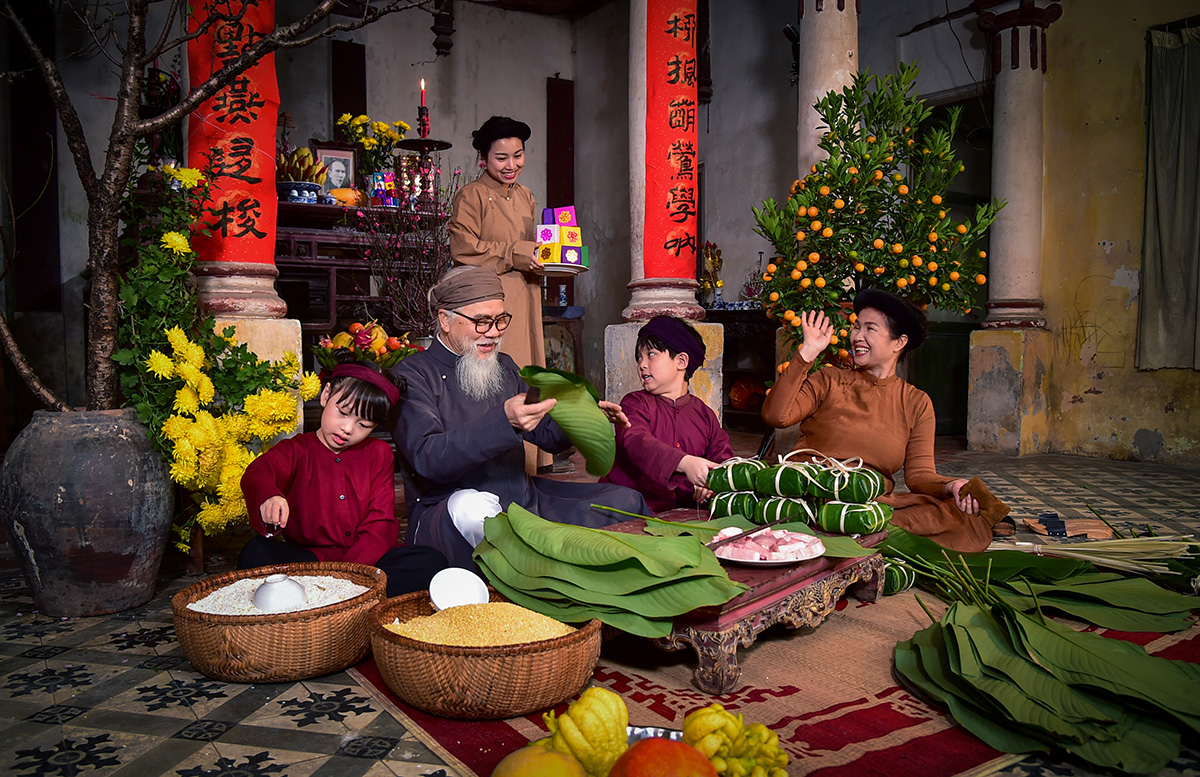
The Lunar New Year in Vietnam follows the lunar calendar and usually takes place between late January and mid-February. Rooted in Vietnam’s agricultural traditions, Tết symbolizes gratitude for the past year and hope for prosperity, happiness, and good fortune in the year ahead.
The word “Tết” means festival, while “Nguyên Đán” refers to the first morning of the new year. Together, they represent a fresh beginning for families and communities across Vietnam. Celebrations typically last from five to seven days, with festive decorations, traditional food, and cultural rituals seen nationwide.
When Is Tet Celebrated in Vietnam?
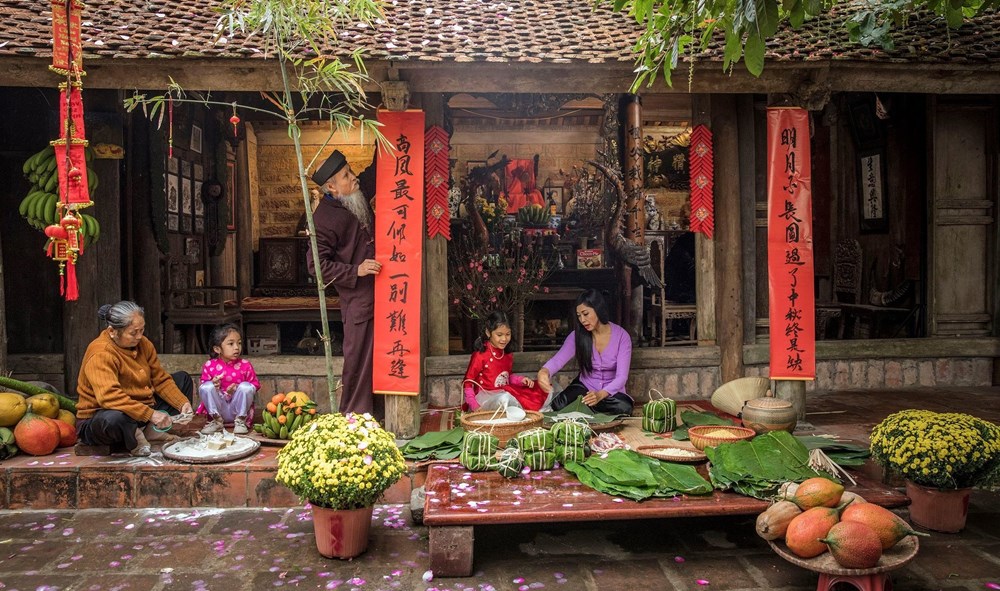
Unlike fixed Western holidays, Tet changes each year based on the lunar calendar. It usually falls between January 20 and February 20. Leading up to Tet, cities become vibrant with flower markets, red and gold decorations, and preparations for family gatherings. After New Year’s Day, the atmosphere gradually shifts to a calmer, more reflective pace.
Vietnamese Lunar New Year vs. Chinese New Year
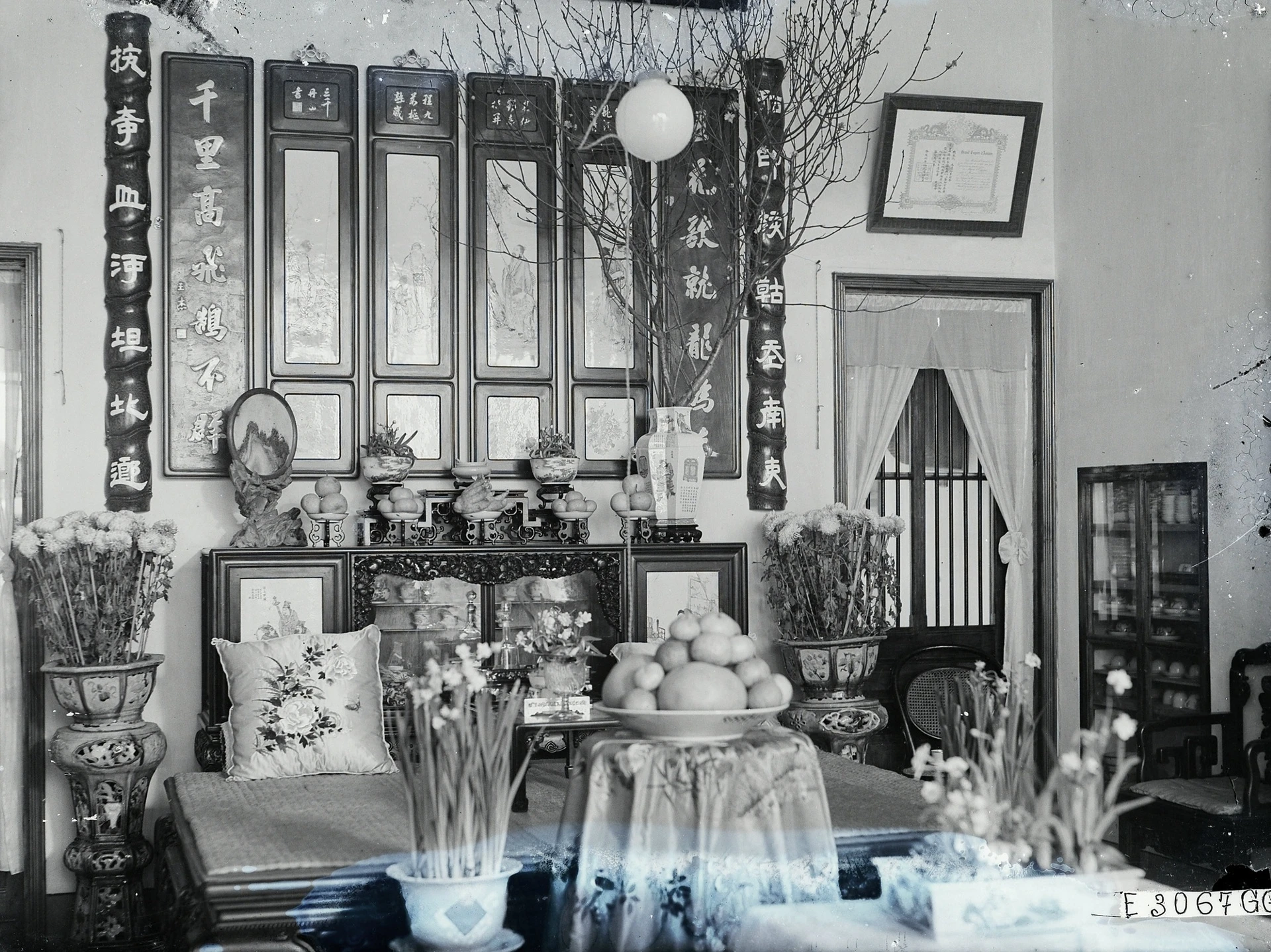
Although the Lunar New Year is celebrated across Asia, Tết in Vietnam has a distinct cultural identity. While both share common customs such as family reunions and lucky money, Vietnamese Tet is deeply influenced by local legends, spiritual beliefs, and historical traditions.
One of the most iconic stories is the legend of Bánh Chưng and Bánh Dày, which dates back to the Hùng Kings era. This legend highlights Vietnamese values of gratitude toward ancestors and harmony between heaven and earth – an identity unique to Vietnam’s Lunar New Year celebrations.
Traditional Customs During Lunar New Year in Vietnam
The First Visitor of the Year (Xông Đất)
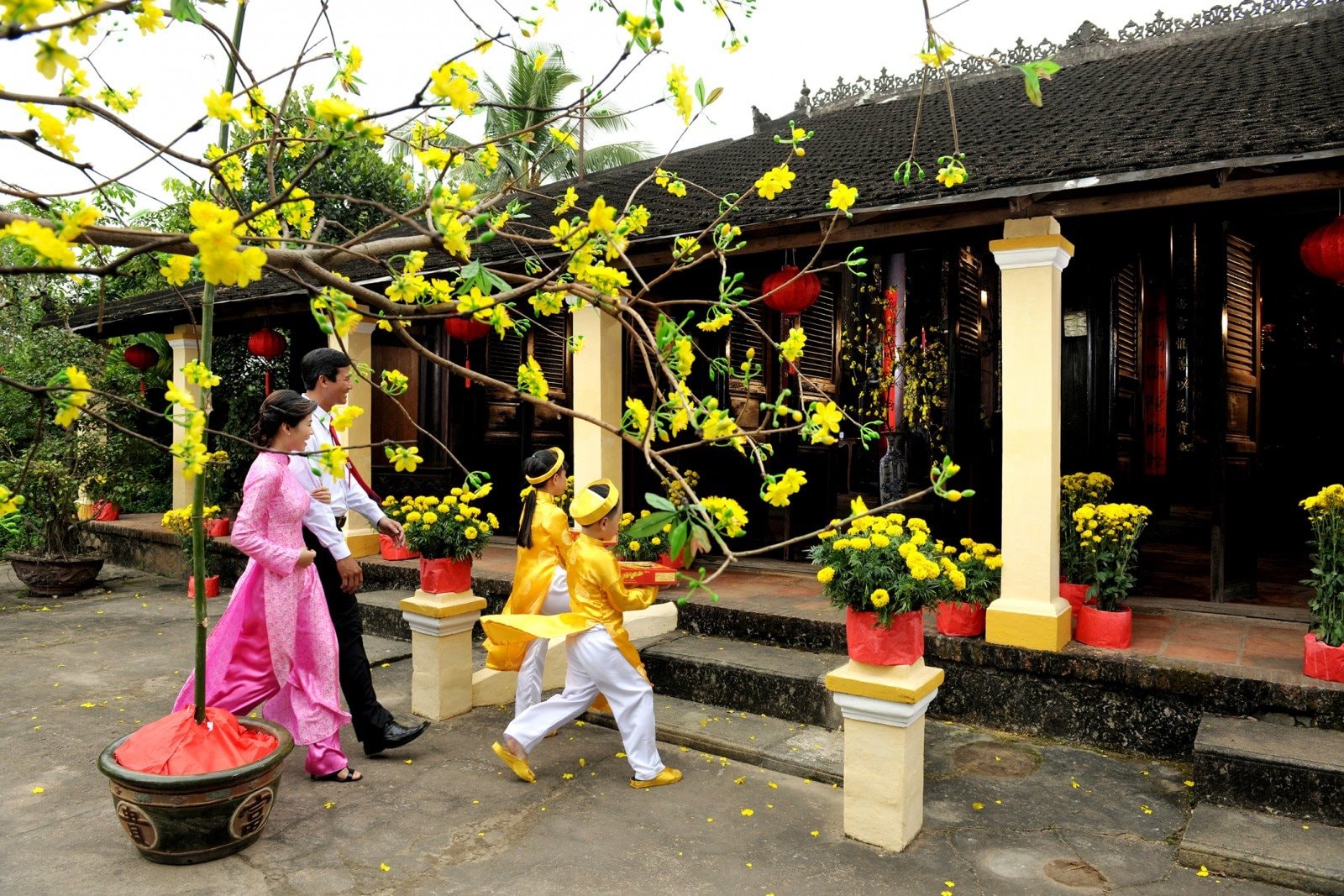
The first person to enter a home after midnight on New Year’s Eve is believed to influence the family’s luck for the entire year. Known as Xông Đất, this tradition reflects the importance of positive beginnings, good character, and success.
Family Reunions and Ancestral Respect

Family reunions are at the heart of Tet. Vietnamese people often travel long distances to return home, clean and decorate their houses, and pay respect to their ancestors. These moments strengthen family bonds and preserve traditions passed down through generations.
Giving Lucky Money (Lì Xì)
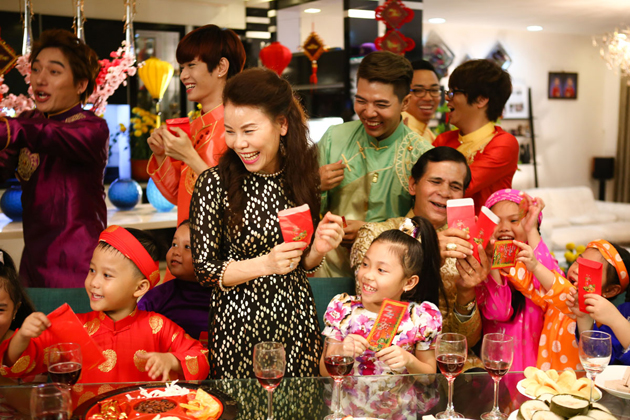
Lì xì, or red envelopes, are exchanged during Tet to wish good health, happiness, and prosperity. Children and younger family members typically receive lucky money, while offering respectful wishes to elders, highlighting the values of gratitude and respect.
Lunar New Year Food Traditions Across Vietnam
Food plays a central role in Vietnamese Tet celebrations, with each region offering distinctive dishes symbolizing good fortune and abundance.
Northern Vietnam
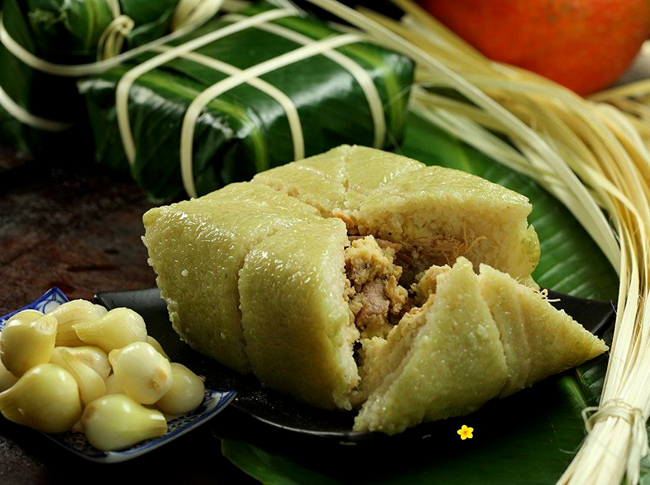
The most iconic Tet dish in the north is Bánh Chưng, a square sticky rice cake wrapped in banana leaves, symbolizing the earth. It is often enjoyed with pickled onions and glutinous rice dishes.
Central Vietnam
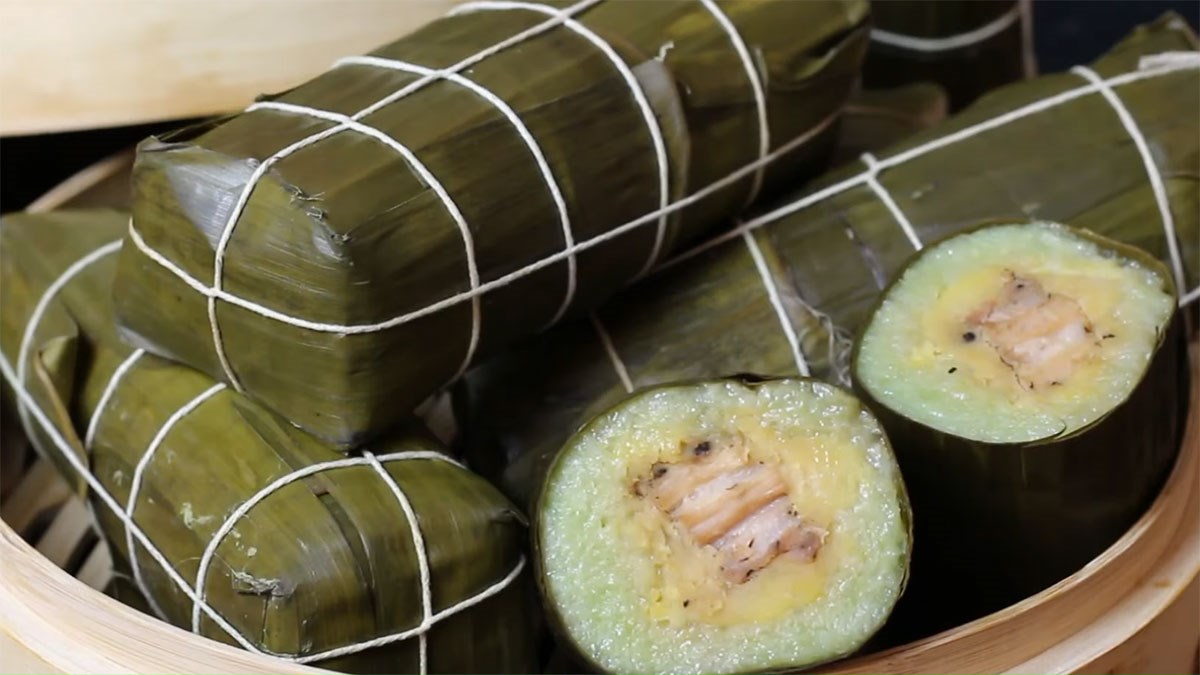
In central regions, Bánh Tét – a cylindrical sticky rice cake filled with pork and mung beans – is a Tet staple. The cuisine reflects balance, refinement, and harmony.
Southern Vietnam
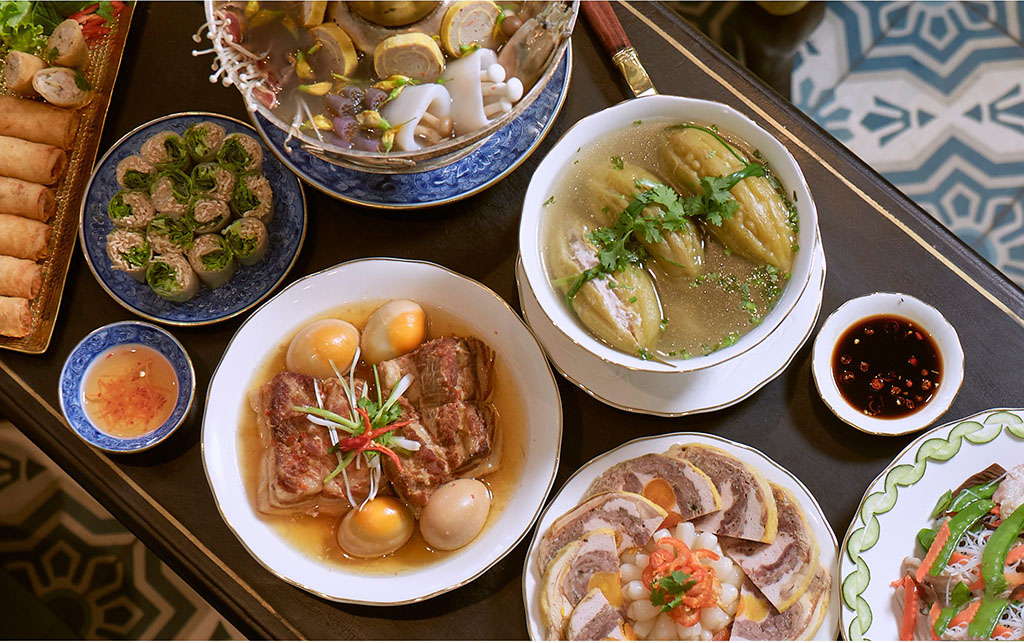
Southern Tet cuisine features Thịt Kho Tàu (braised pork with eggs), representing abundance and family unity, along with Canh Khổ Qua (bitter melon soup), symbolizing the overcoming of hardship in the new year.
Visiting Vietnam During Tet: Travel Tips
Experience Tet in Hanoi
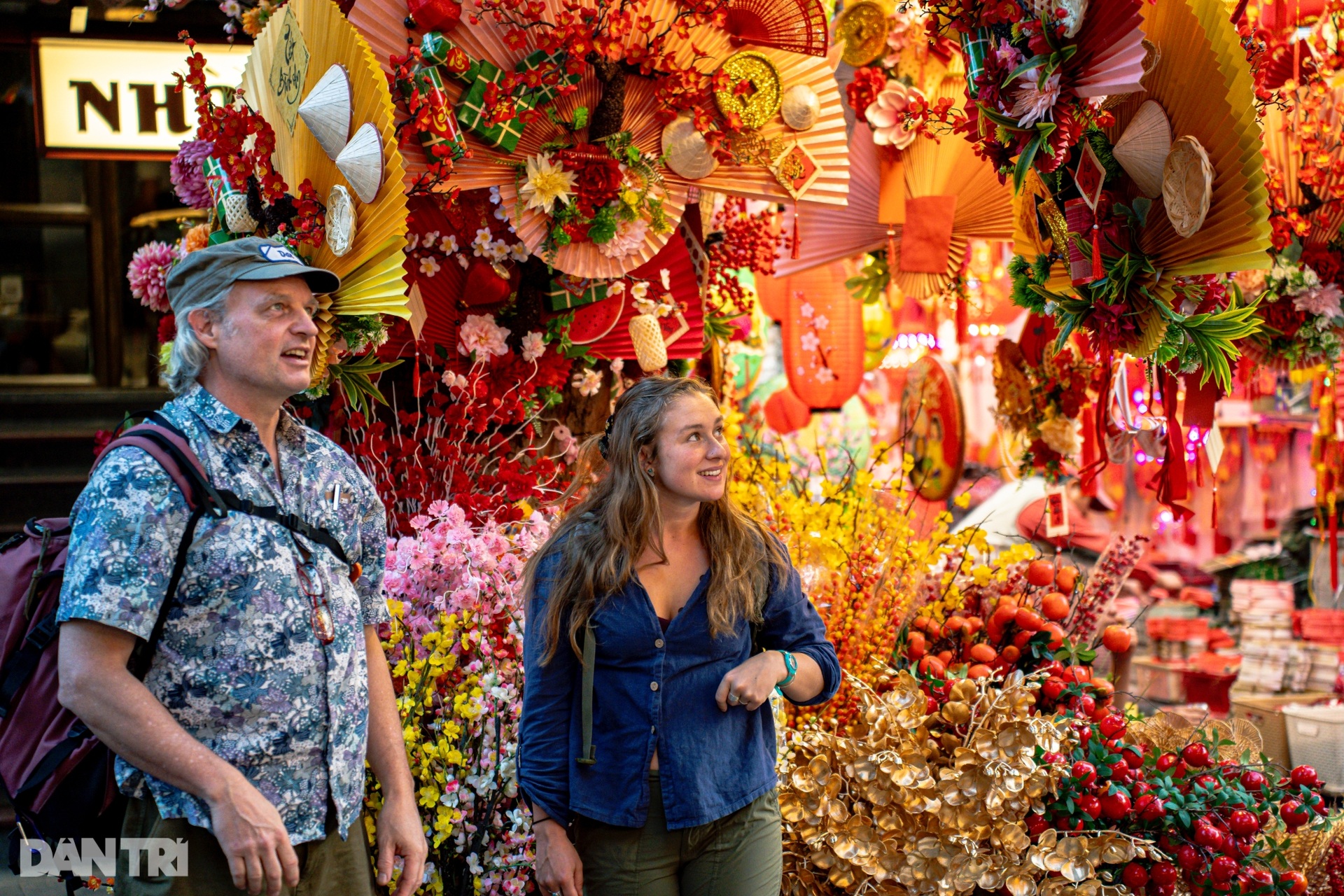
Hanoi during Tet offers a peaceful yet culturally rich atmosphere. Traditional flower markets, visits to pagodas, and beautifully decorated streets create a memorable experience for travelers. The Old Quarter becomes a particularly charming place to explore local customs and festive traditions.
Plan Ahead for Your Trip
During the Tet holiday, many businesses and public services may close or operate on limited schedules. Transportation and accommodation can be in high demand, so booking in advance is highly recommended for a smooth travel experience.
Experience the Magic of Lunar New Year in Vietnam
The Lunar New Year in Vietnam is more than a celebration. It is a reflection of the country’s values, history, and sense of community. From meaningful family traditions to regional culinary delights, Tet offers travelers an unforgettable cultural journey.
Staying in Hanoi during Tet allows visitors to witness the city at its most authentic and tranquil. Whether you are exploring festive streets or enjoying quiet moments of reflection, experiencing Tet in Vietnam is truly a once-in-a-lifetime experience. Contact Hanoi Larosa Hotel today to book your Tet 2026 experience.
Address: 36 Nguyen Khuyen Street, Van Mieu – Quoc Tu Giam, Hanoi, Vietnam
Phone: (+84) 243 747 1155
Email: info@hanoilarosahotel.com
Website: www.hanoilarosahotel.com
Fanpage: www.facebook.com/hanoilarosahotel
0 Comments